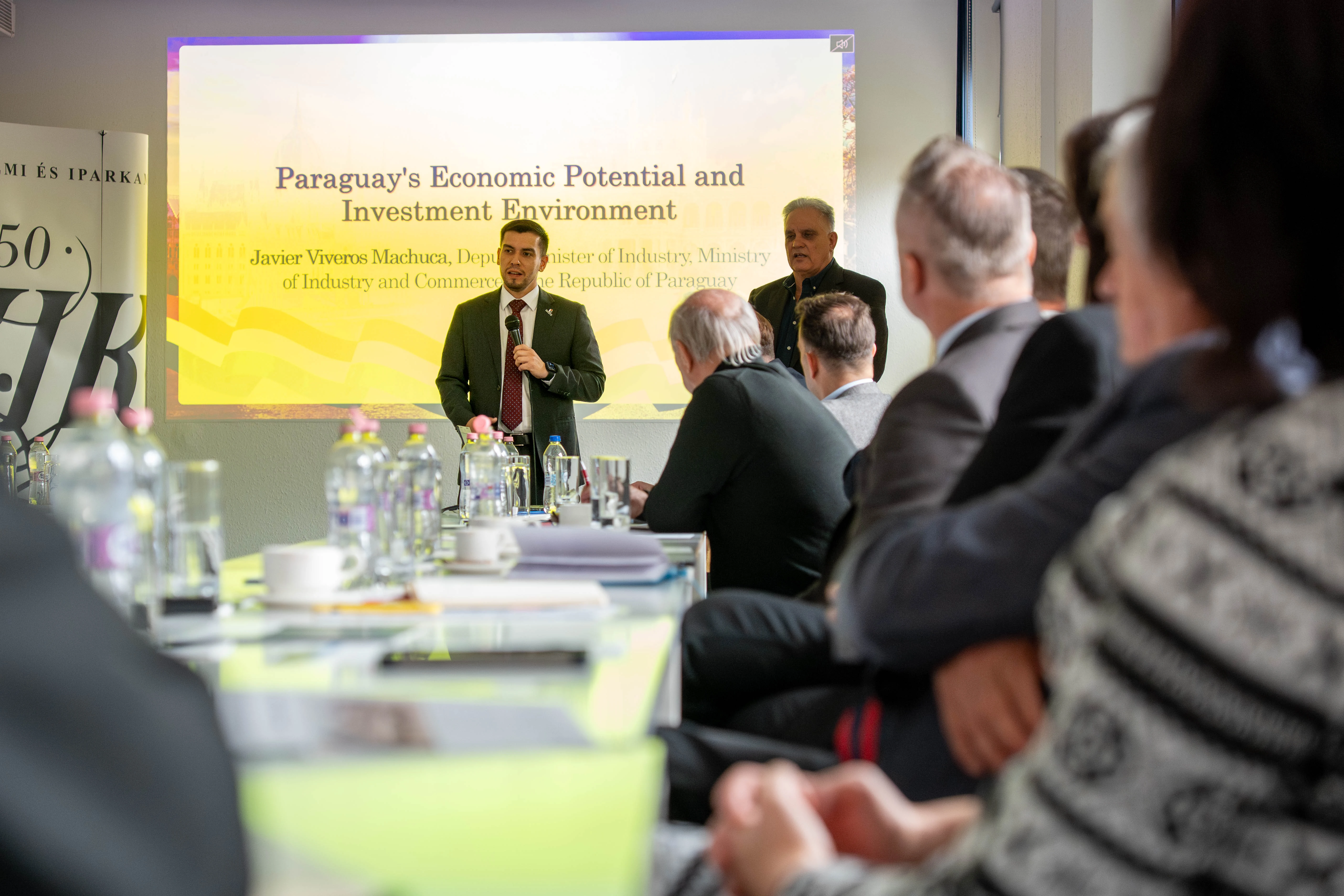
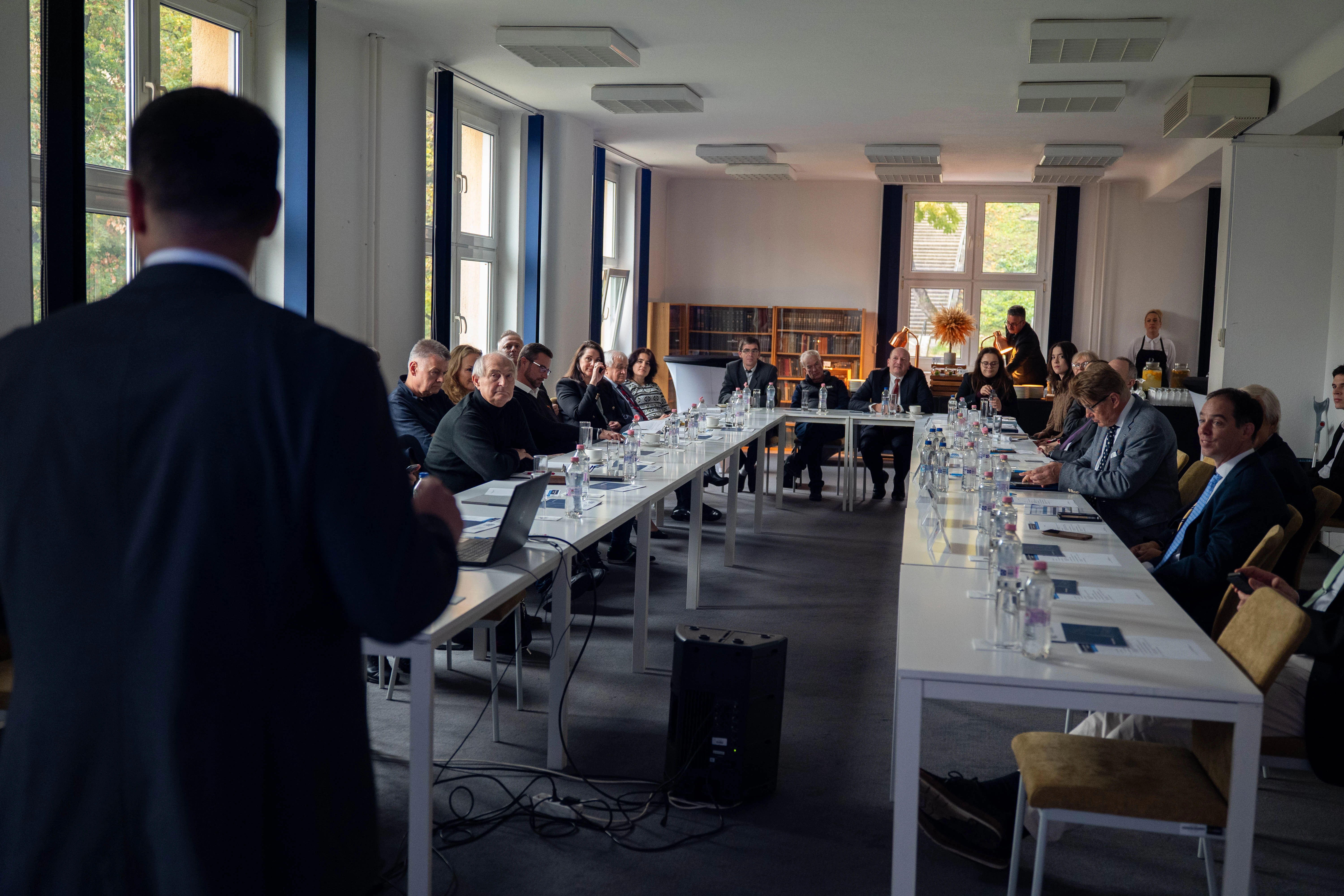
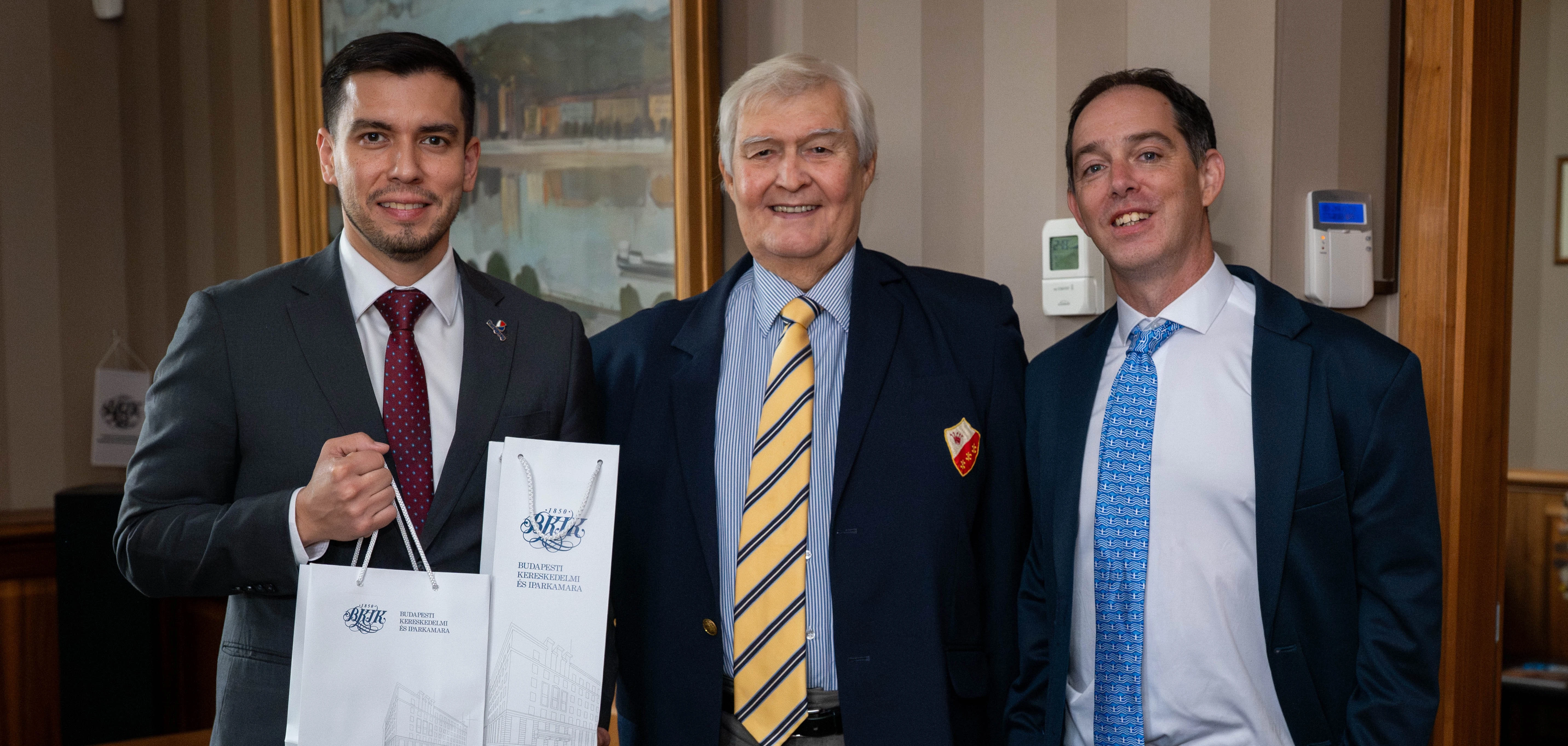
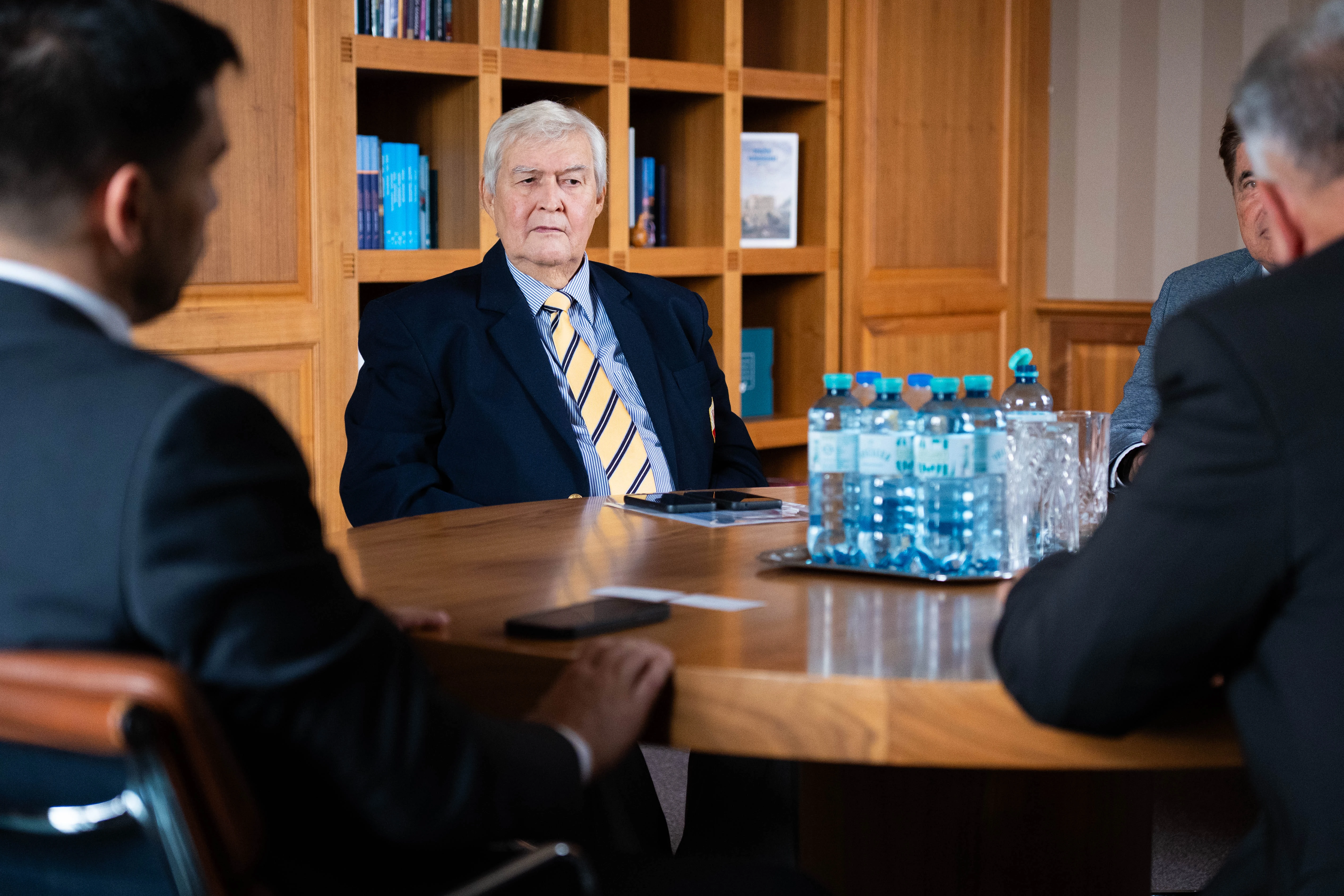
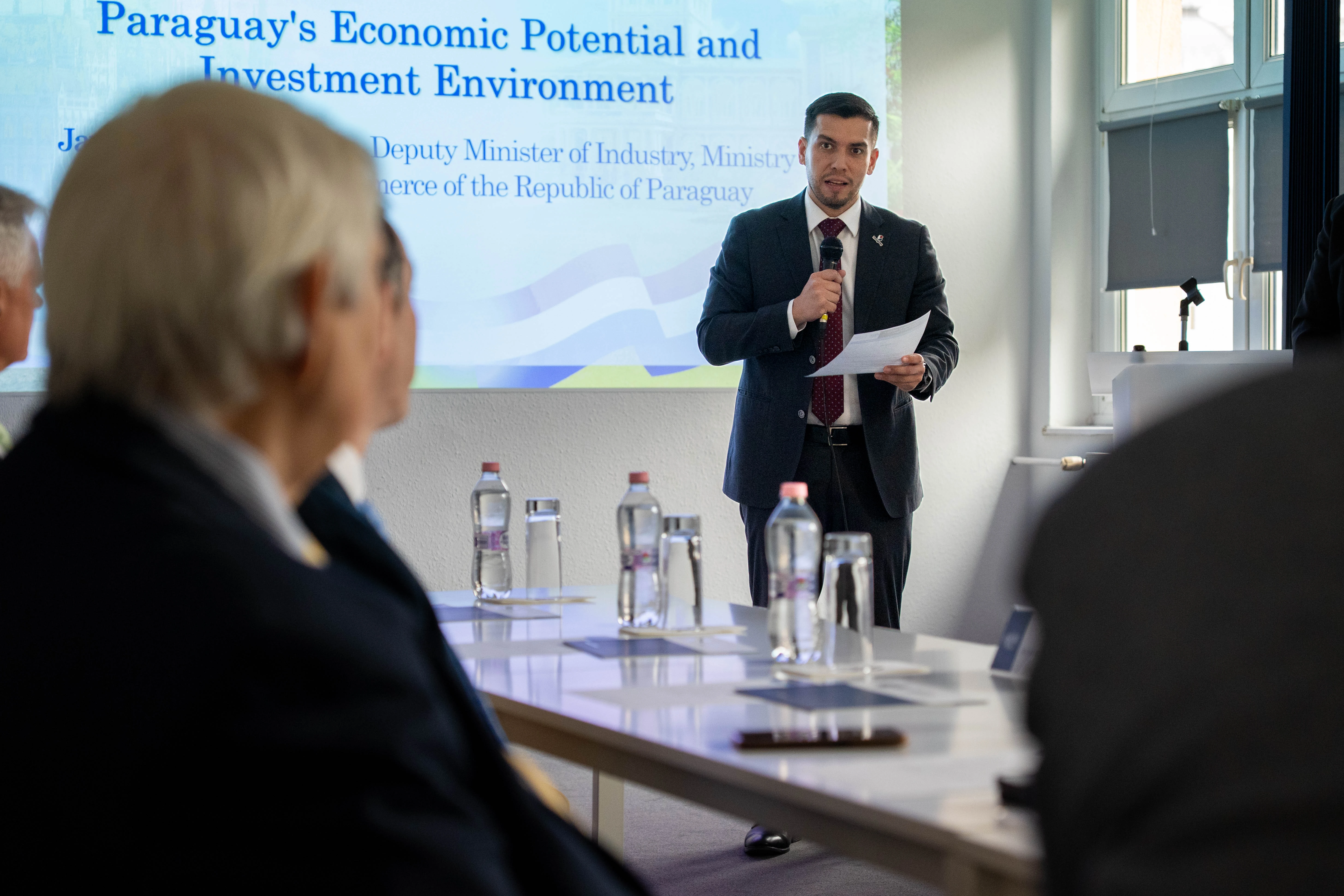
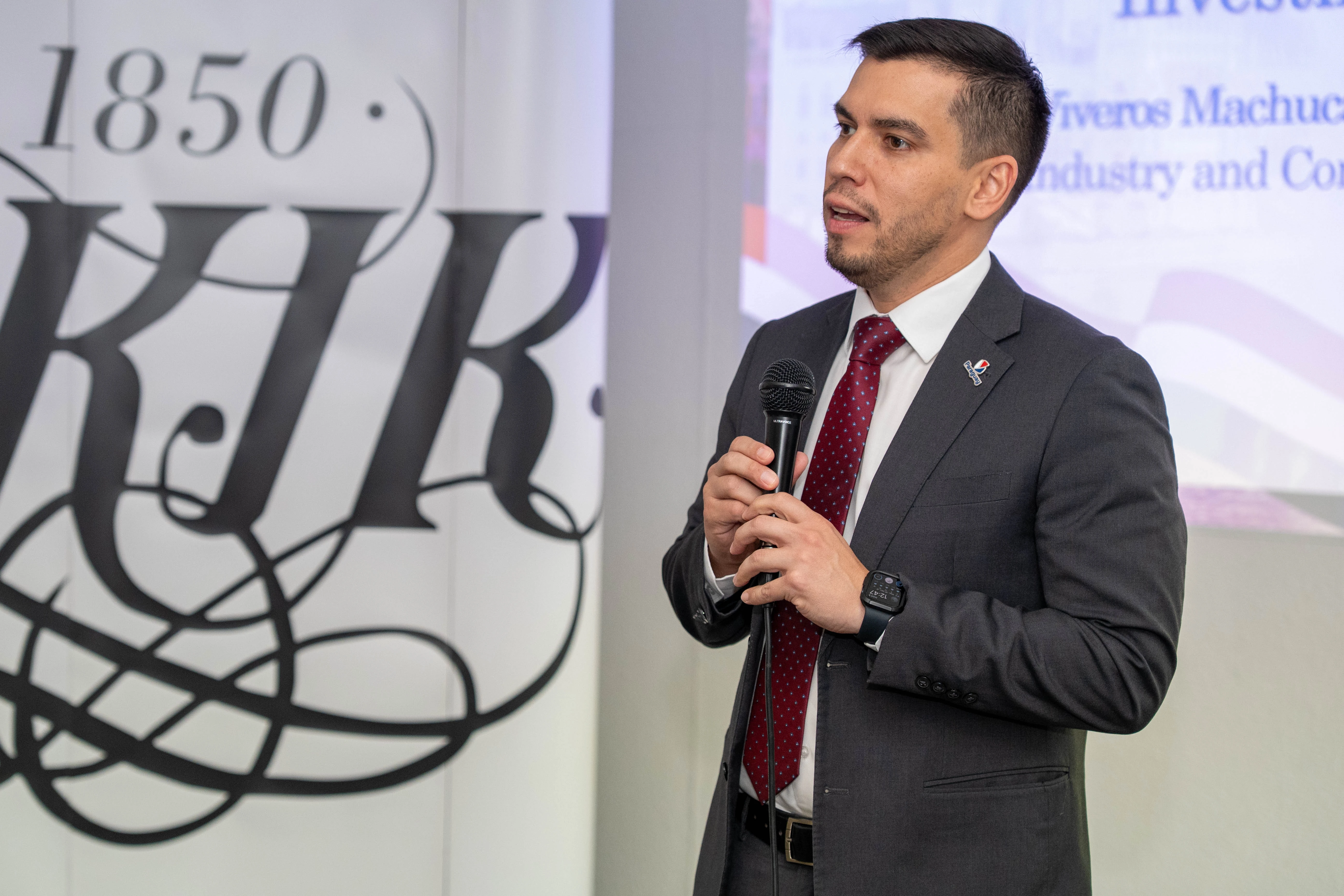
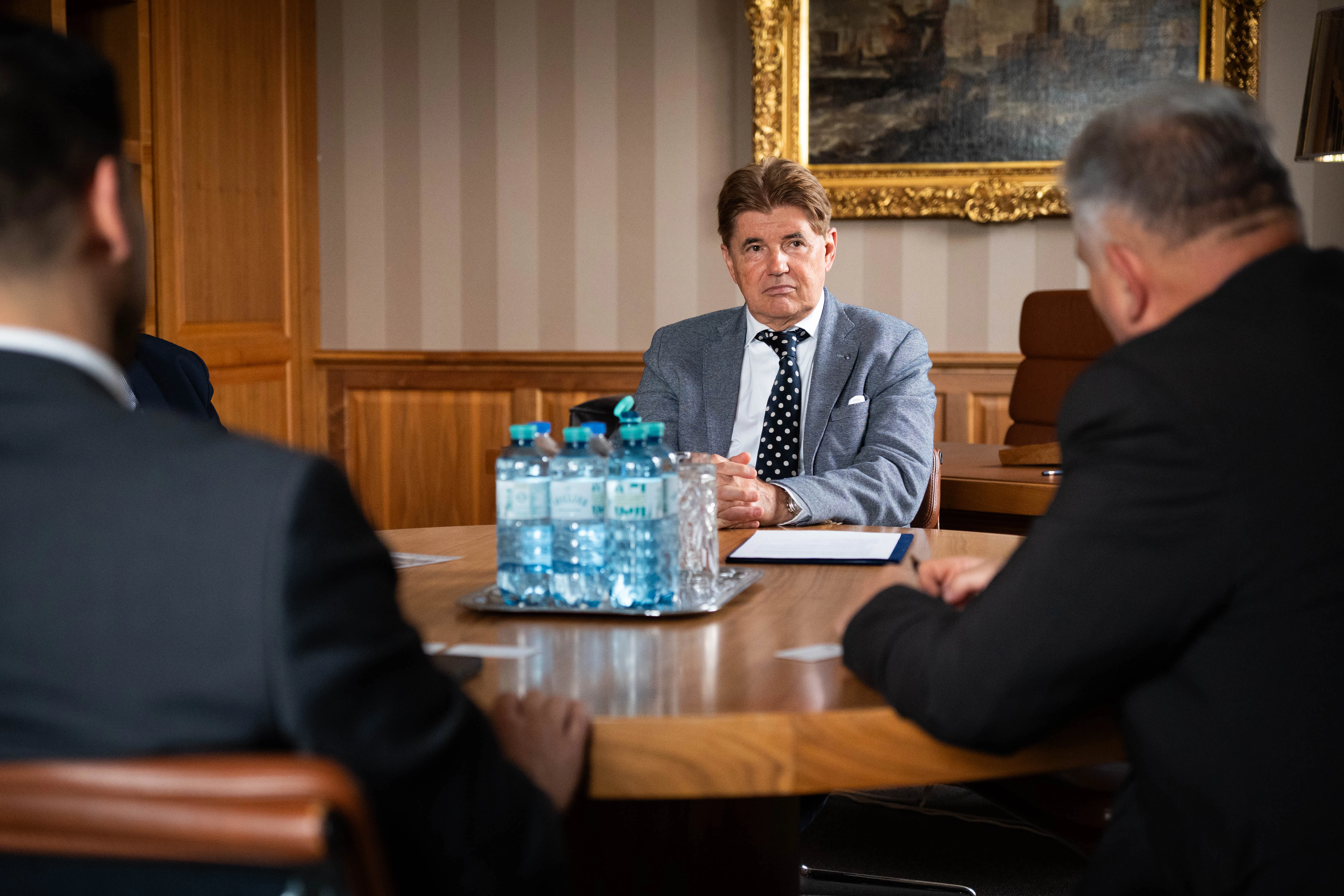
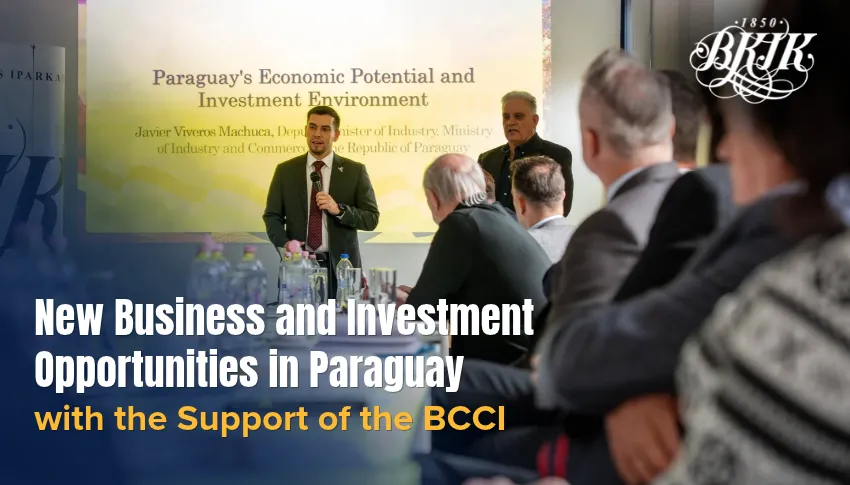
Organised by the Budapest Chamber of Commerce and Industry (BCCI), the business event entitled “New Business and Investment Opportunities in Paraguay” took place on 3 November 2026, with Javier Viveros Machuca, Vice Minister of Industry of the Republic of Paraguay, as its distinguished guest. The meeting aimed to present Paraguay’s economic strengths, investment environment and business opportunities available to Hungarian companies.
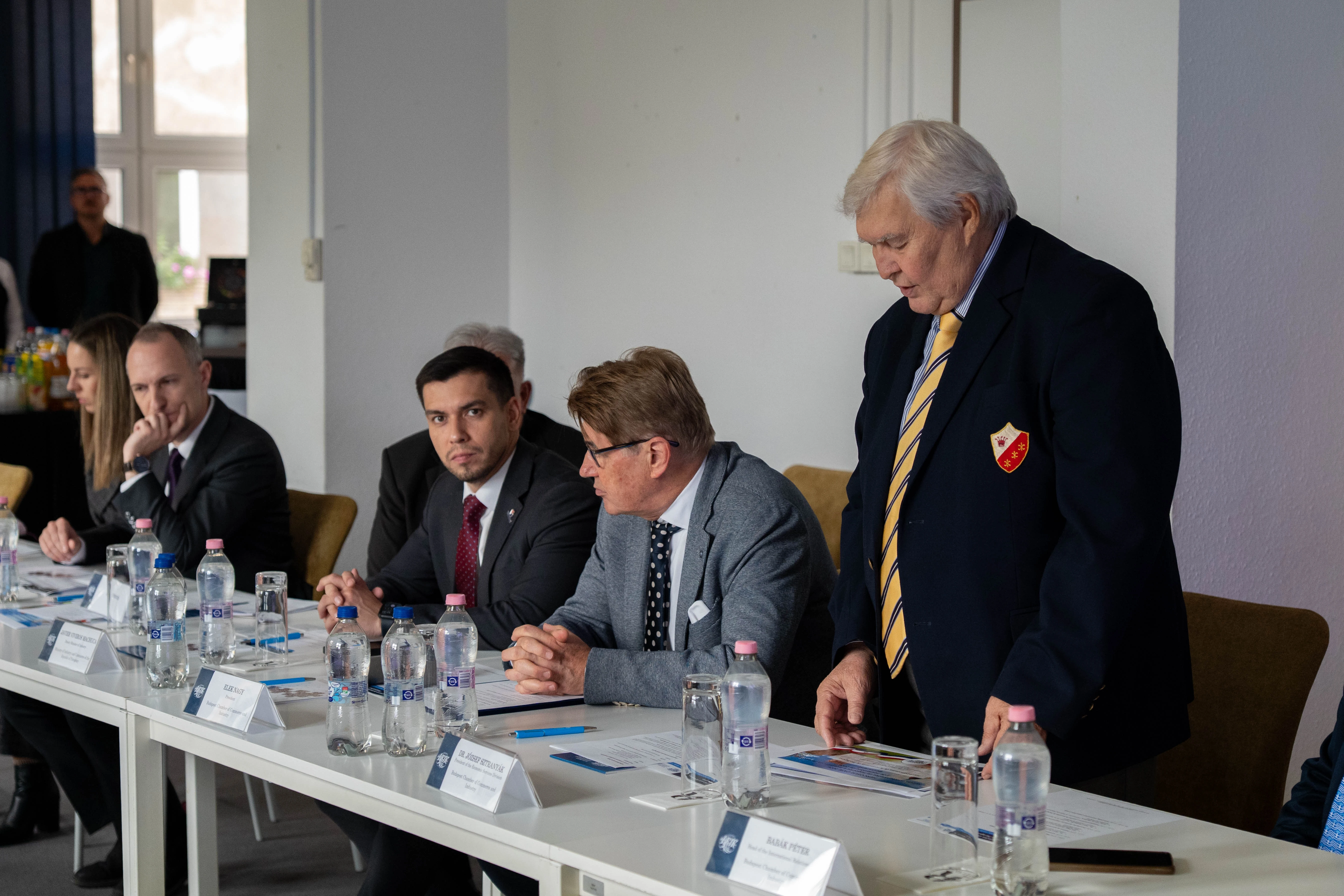
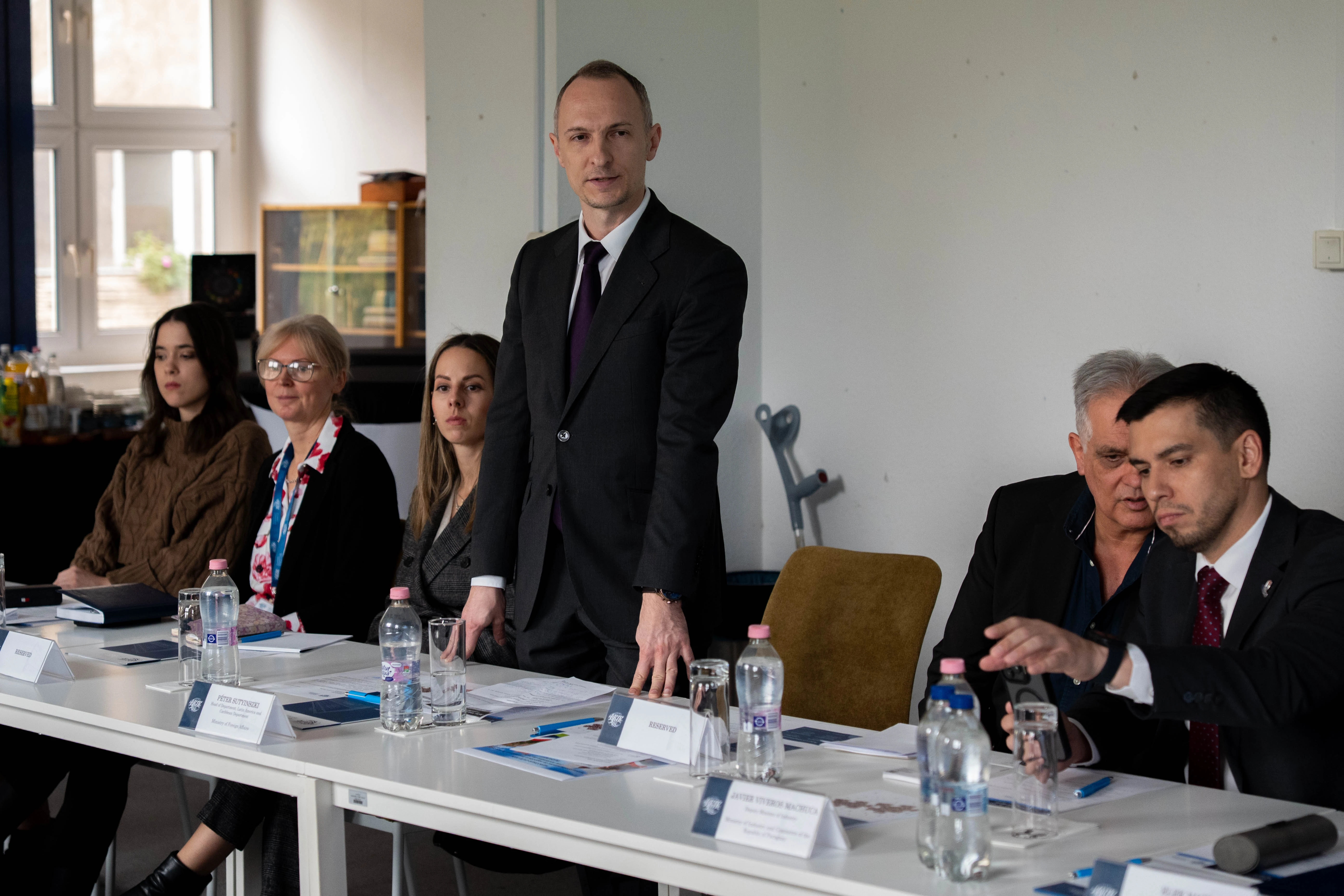
Participants were welcomed by Elek Nagy, President of the BCCI, and Péter Sutyinszki, Head of the Department for Latin America and the Caribbean at the Ministry of Foreign Affairs, while Dr. József Sztranyák, President of the BCCI’s Economic Services Division, presented Budapest’s business environment.
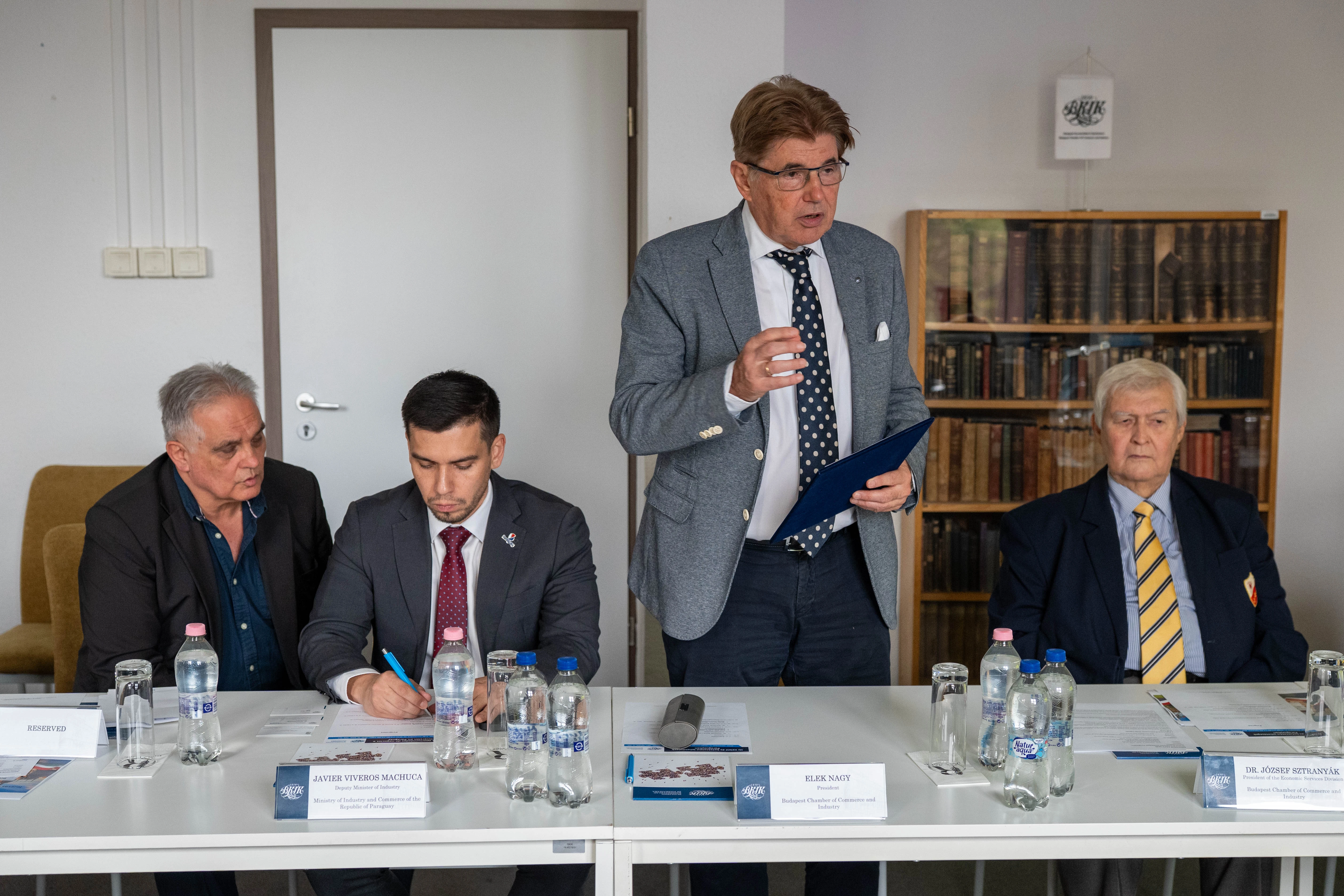
In his address, Elek Nagy emphasised the importance of opening up international markets and establishing new economic partnerships. As President of the BCCI, he attaches particular importance to the Chamber supporting the international expansion of Budapest-based businesses through both the provision of information and the establishment of direct business contacts. The Paraguayan delegation’s visit clearly illustrates the BCCI’s active role in developing economic diplomacy ties and its commitment to creating concrete opportunities for Hungarian businesses to cooperate in new markets outside Europe.
The central element of the programme was the presentation by Javier Viveros Machuca, Vice Minister of Industry of the Republic of Paraguay, who provided a detailed overview of Paraguay’s geographical, economic and infrastructural strengths. He highlighted that nearly 80% of the country’s foreign trade takes place via the Paraguay–Paraná Waterway, and that Paraguay has the world’s third-largest river cargo fleet. Particular emphasis was placed on the development of the transport corridor connecting the two oceans, the Corredor Bioceánico de Capricornio, which links Brazil to Chile’s Pacific ports through Paraguay and Argentina. This international connection, which is being developed in stages, could significantly shorten transport times and, according to estimates by Paraguay’s transport ministry, reduce transport-related operating costs by nearly 20%.
The Vice Minister presented Paraguay’s favourable energy resources as one of the country’s key competitive advantages. Thanks to the Itaipú and Yacyretá hydroelectric power plants, the country’s electricity generation is based entirely on renewable sources, and a substantial share of the electricity generated, approximately 55%, is exported. The presentation also covered the dynamic growth of tourism, opportunities in the forestry and services sectors, and Paraguay’s exceptionally young and competitive labour market. The median age of Paraguay’s population is just 29.4 years, providing a favourable demographic foundation for further economic growth.
The overview of the investment environment placed particular emphasis on tax conditions that are favourable compared with those elsewhere in the region. In Paraguay, both corporate income tax and value added tax are 10%, while dividend tax is 8% for tax-resident recipients and 15% for non-residents. Under the general rules of the social security system (IPS), the employer contribution is 16.5% and the employee contribution is 9%. To encourage investment, the government also grants customs duty and VAT exemptions on the acquisition of production equipment for certain approved investments.
One of the most important elements of the presentation was the introduction of the maquila programme, a key instrument of Paraguay’s export-oriented industrial development. The scheme enables foreign companies to carry out manufacturing, processing or service activities in Paraguay and sell the resulting products and services on international markets. Under the programme, a single special tax of 1% may apply, calculated on the higher of the value added in Paraguay or the export value. This preferential scheme also supports exports to countries outside MERCOSUR. Paraguay has enjoyed increasingly firm confidence among foreign investors in recent years, as demonstrated by the fact that, by 2025, it had attracted foreign direct investment from 72 countries.
The Vice Minister’s presentation also addressed the development of biodiesel and bioethanol production, highlighting the country’s efforts to reduce its dependence on imported energy sources and strengthen its energy independence over the long term.
In his concluding remarks, the Vice Minister stated that he would establish a working committee in Paraguay to analyse in detail the requests for business contacts raised during the event. The committee would also be responsible for following up on the opportunities identified and taking the business relationships forward.
Participants actively took the opportunity to ask questions and initiate dialogue. Their questions, which received comprehensive expert responses, covered a wide range of topics: from the production of organic fertilisers, foliar fertilisers and mineral fertilisers for agricultural land to machinery manufacturing opportunities in Paraguay, supplier opportunities and the establishment of joint ventures.
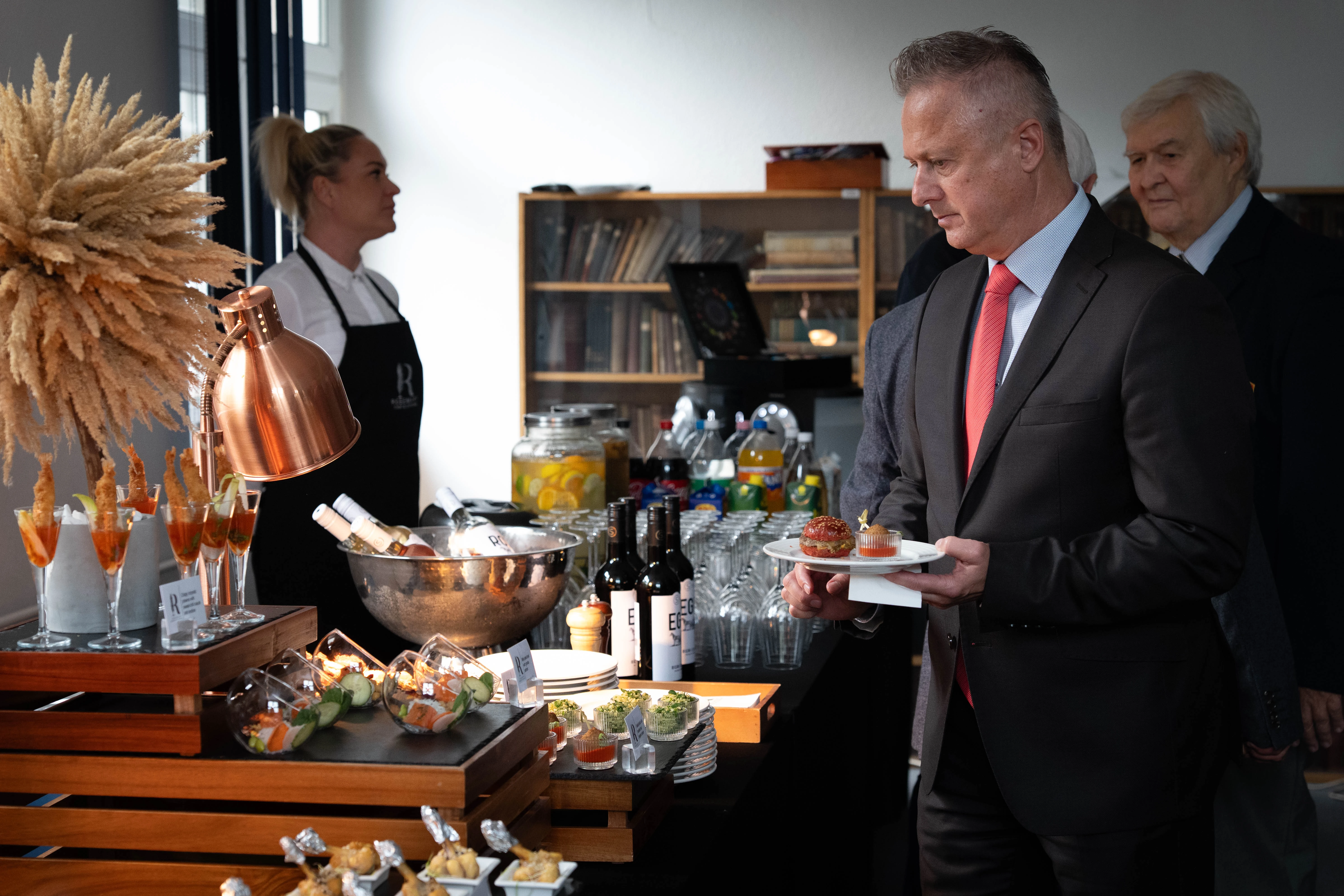
The event concluded with informal business networking, providing participants with an opportunity for direct professional dialogue, the exploration of business opportunities and the further strengthening of Hungarian–Paraguayan economic and investment cooperation.